



Blog
Usha Patel, Neurocognitive Therapist and Director of Raviv Practice London shares her first-hand experience of working with children /adults and the latest research and upcoming events in her series of blog posts.
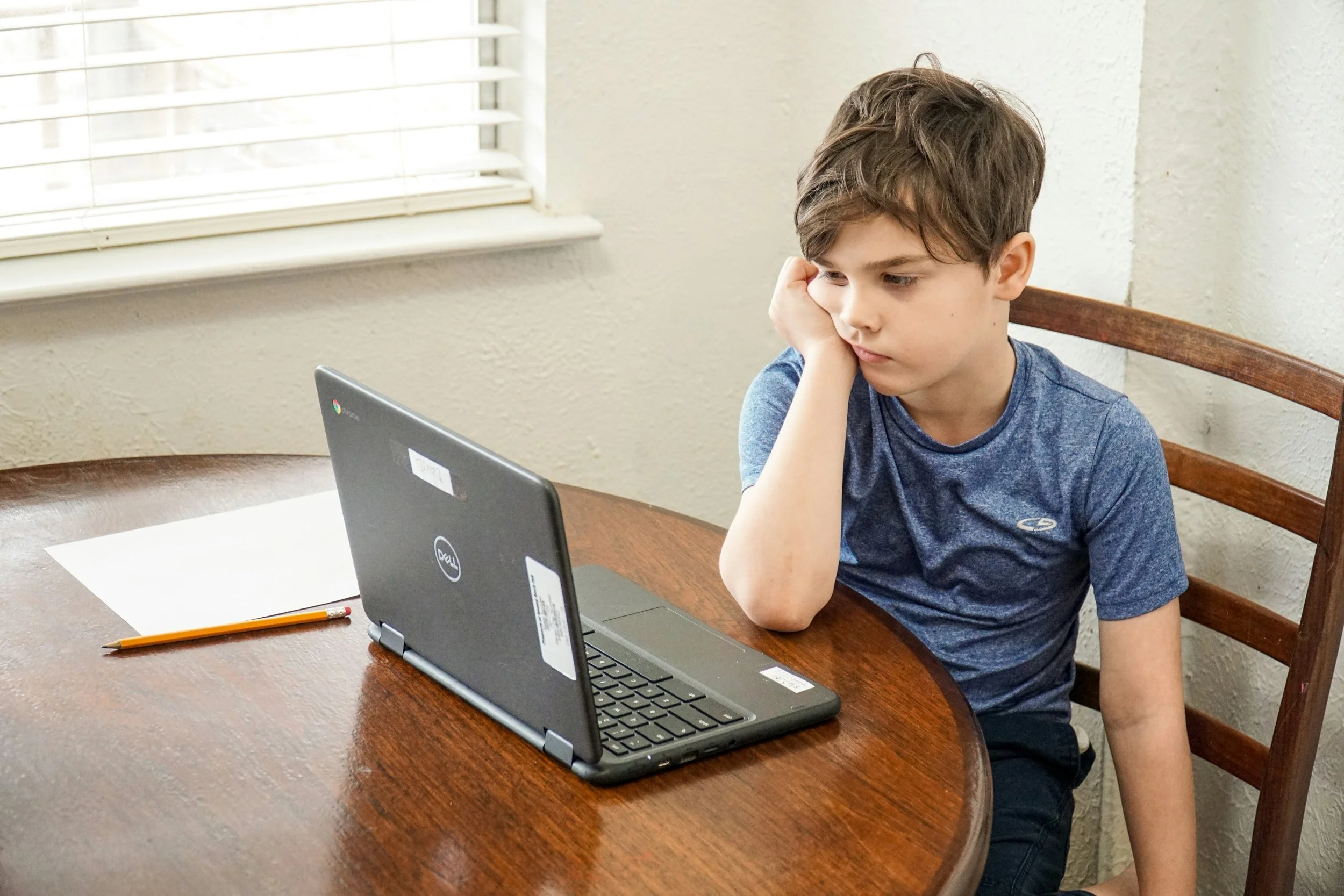
Why some children can't sit still: a nervous system perspective
This behaviour is often misunderstood as inattentiveness, hyperactivity, or lack of discipline.
In my therapy work, however, I frequently see something very different.

My child with Autism hates hand dryers.
Many parents with children with Autism worry about taking their child to new places for fear of using the public toilets and the anxiety created by automatic hand dryers.
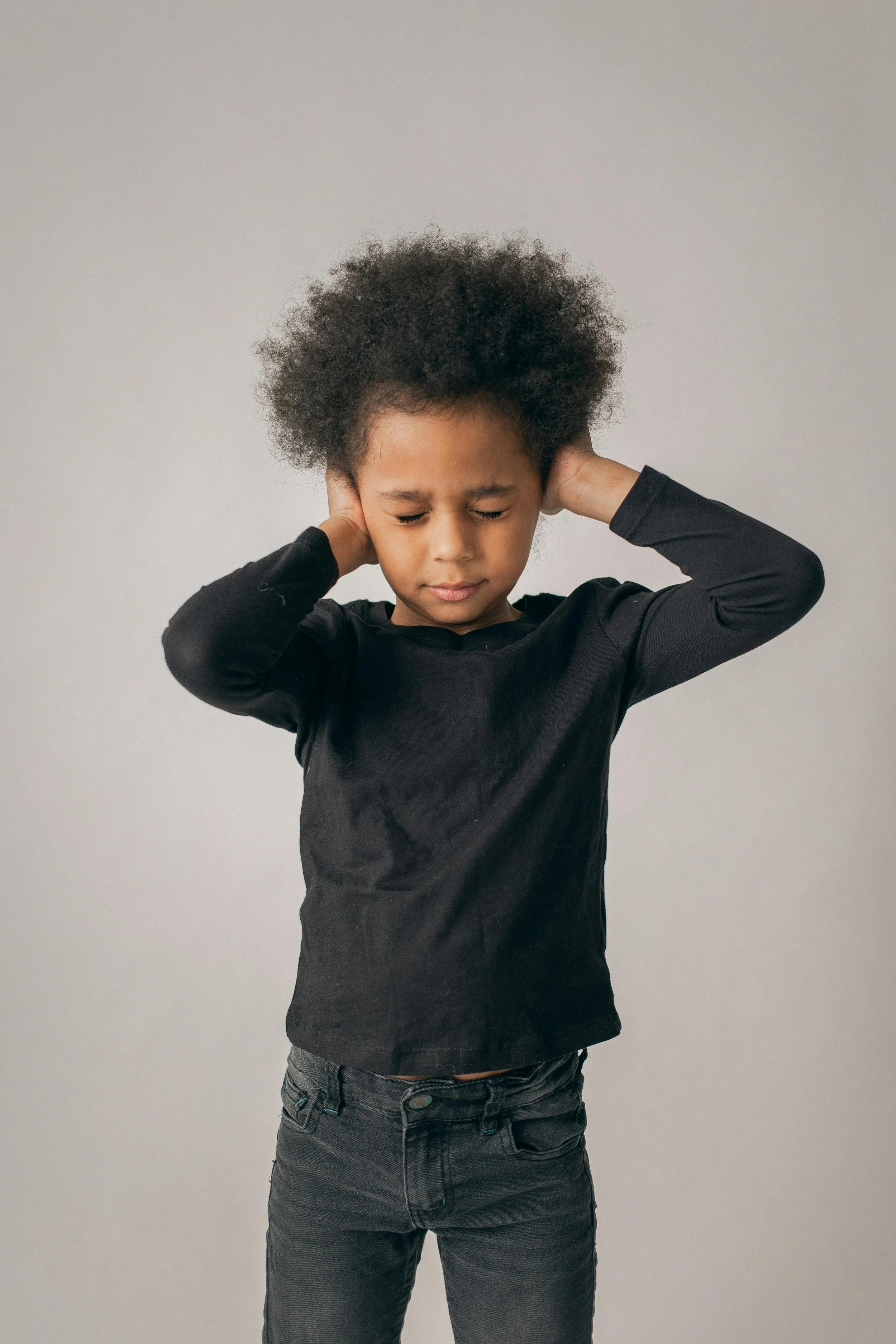
Why all children with ASD need reflex integration therapy
Discover how retained primitive reflexes impact children with autism and why reflex integration is essential for emotional regulation and learning.

How nasal breathing helps children sleep better and improve brain function
Good Sleep is essential for children. During a good restorative sleep, children grow, consolidate memories, and recharge, ready for the next day. Yet, many children struggle to get quality sleep each night.
A factor that often influences sleep quality is how your child breathes while sleeping.

Does your child use both hands on the handrail when climbing up or down the stairs?
If your child climbs stairs using both hands on the rail or shows clumsy movement, it may point to retained reflexes or missed developmental stages. Discover why this happens and how to support smooth, confident movement.
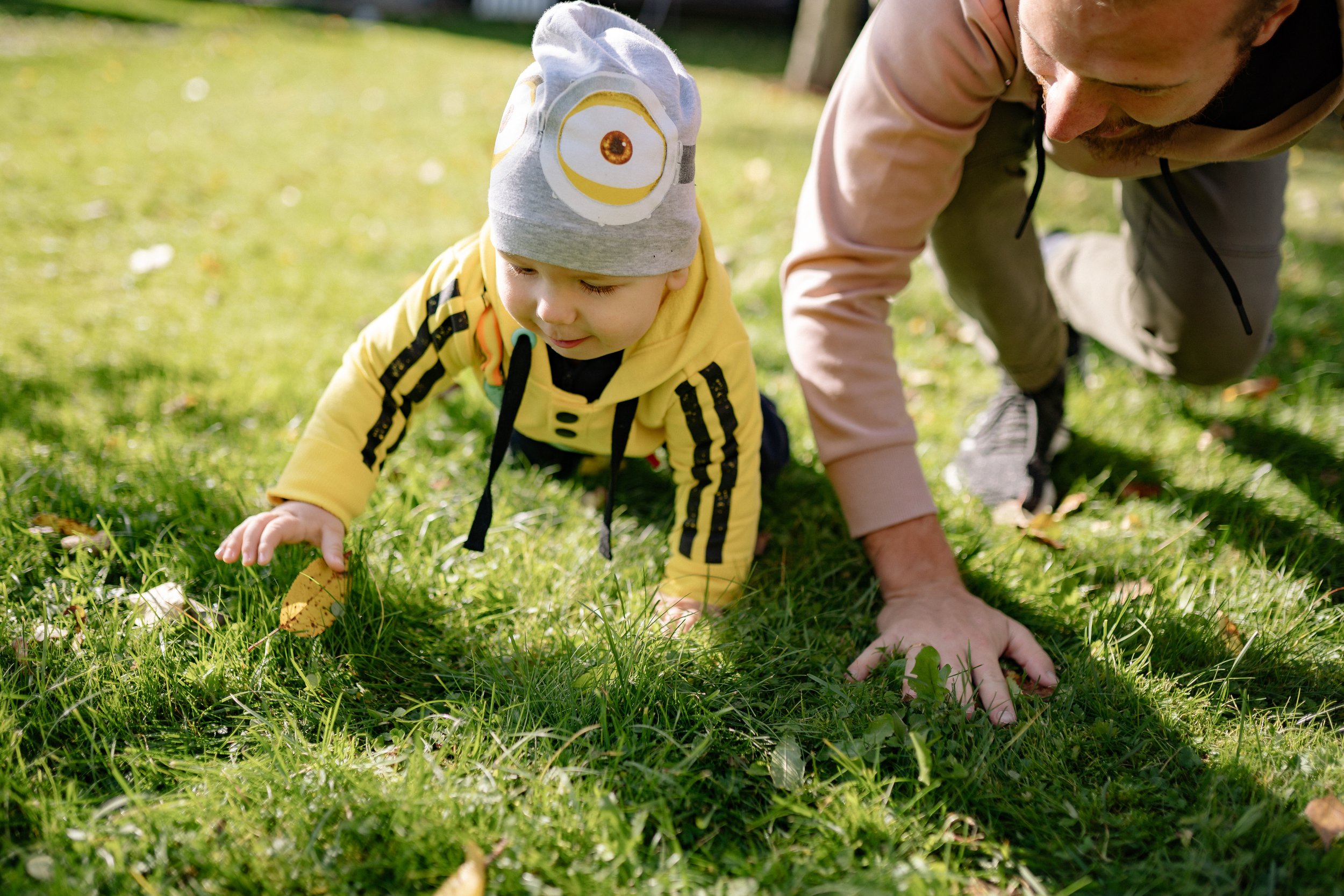
How movement is connected to how we learn
Neural pathways are routes created in the brain for information, thoughts, and responses to stimuli. However, thinking and talking are formed way later than physical movement. Babies can’t speak, but they certainly can learn to move, grasping and crawling long before they start to talk. The neural channels we create for movement activities are used later for thoughts and cognitive processes.

Why does my nine-year-old still wet his bed?
If your bright and active nine-year-old still wets the bed, you're not alone, and it's not their fault. This blog explores the connection between unintegrated reflexes and nighttime accidents, and how therapies like MNRI can help resolve bedwetting quickly and effectively.