Why Cogmed Working Memory Training supports children with dyslexia
When traditional methods fail: a mother’s story
A mother recently told me about her seven-year-old daughter who was struggling with math. Hoping to help, she enrolled her in Kumon, thinking the practice would build number fluency. Instead, things got worse.
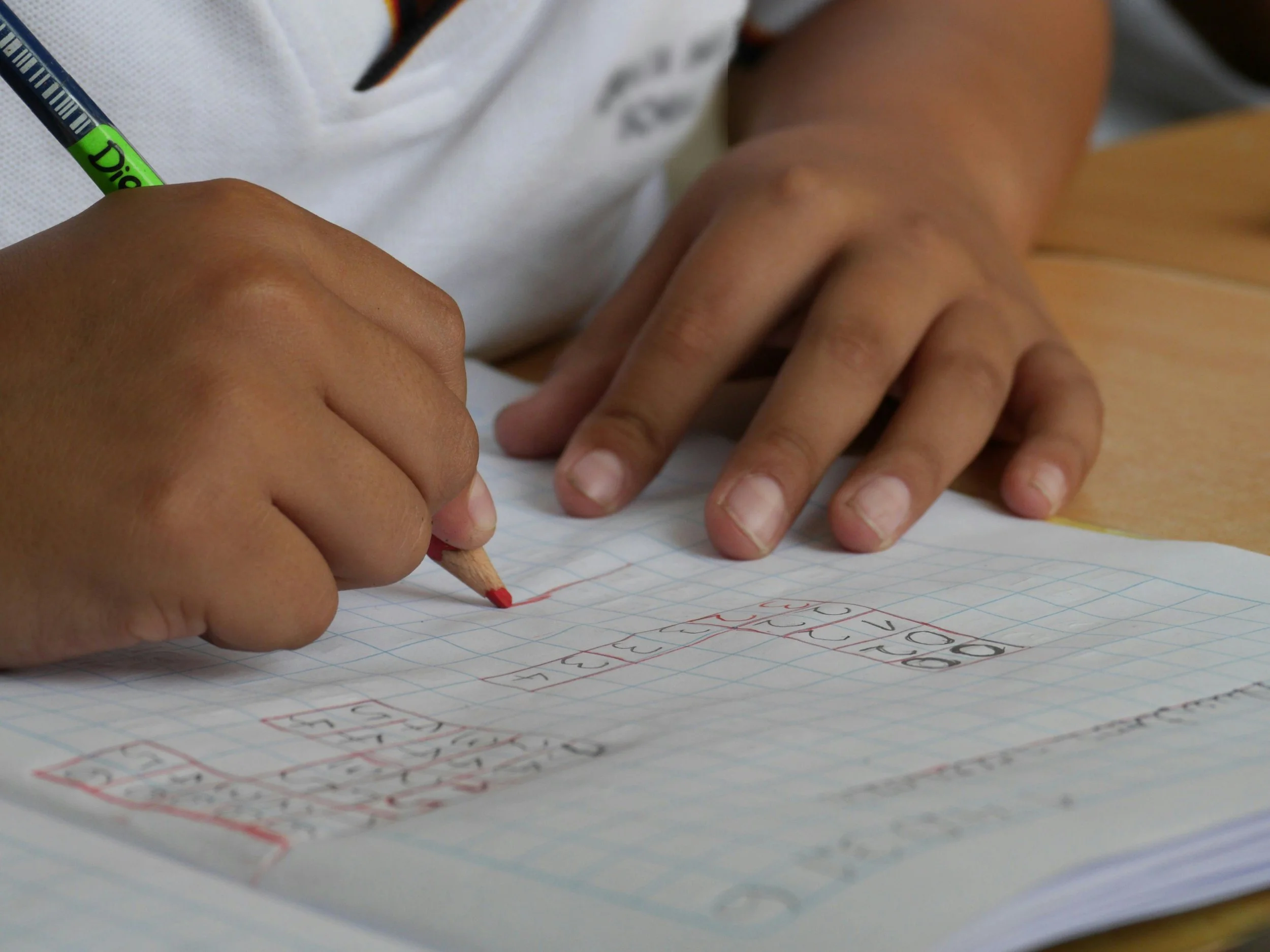
Her daughter was asked to write number bonds to ten. She understood that 9 and 1 made 10, but when she wrote it down, she often put “01” instead of “10”. In her mind, she was correct, but her teacher marked it incorrect.
The child was devastated. Soon she didn’t want to do math at all. Confusion quickly turned into discouragement. Later that year, she was diagnosed with dyslexia. Unfortunately, her school showed little interest in supporting a low-performing student.
“When most people hear the word dyslexia, they think of difficulties with reading and spelling. But there’s often something else at play: working memory. ”
Feeling neglected and concerned, the parent began searching for alternatives to help her daughter thrive.
What is the best way to help my undiagnosed child?
The link between dyslexia and working memory

When most people hear the word dyslexia, they think of difficulties with reading and spelling. But there’s often something else at play: working memory.
Working memory is the brain’s ability to hold and process information over short periods. It’s what helps us remember instructions, keep track of numbers, or spot and fix our mistakes.
“Each mistake reinforces the belief that they are failing, even when they understand the
concept. ”
When a child writes “01” instead of “10”, it is not only a reversal error but also a reflection of working memory limitations. Their brain struggles to manage the order of digits while holding the concept of ten in mind. This makes learning more frustrating and impacts confidence in subjects such as math.
Why kumon maths did not work
Kumon maths relies heavily on repetition and accuracy. For a child with dyslexia and working memory challenges, this approach can feel punishing rather than supportive. Each mistake reinforces the belief that they are failing, even when they understand the concept. This was exactly the case for this young girl. She knew what ten was, but her working memory difficulties caused her to record it incorrectly.
“Through the Cogmed program, their daughter engaged in daily exercises designed to strengthen her working memory.”
Instead of building fluency, Kumon deepened her resistance to maths. Children like her don’t need more drills. They need approaches that strengthen their underlying cognitive skills.
Discovering Cogmed Working Memory Training
While searching for help, the family came across a Financial Times article entitled ‘How training the brain could boost Economic Growth,’ which highlighted the importance of working memory and its role in learning and economic productivity. The piece emphasized that improving working memory could lead not only to gains in concentration but also long-term benefits for education and even workforce readiness.
The article shared compelling statistics:
Around 56 percent of children who struggle academically end up without secure employment in adulthood.
Early interventions in working memory have been linked to better academic outcomes in reading and mathematics.
Cognitive training programs, such as Cogmed, show lasting benefits, improvements in attention and memory that extend beyond the classroom.
Encouraged by these findings, the parents decided to explore Cogmed Working Memory Training.
“Success in school doesn’t depend on the curriculum or teaching style. It depends on the brain processes that enable learning. ”
Through the Cogmed program, their daughter engaged in daily exercises designed to strengthen her working memory. Over the summer, she made noticeable progress. She still occasionally reversed the numbers, but she became faster at self-correcting, and her confidence in math began to rebuild.
Why working memory training underpins academic success
This one child’s experience highlights a wider truth. Success in school doesn’t depend on the curriculum or teaching style. It depends on the brain processes that enable learning.
For parents of children with dyslexia, investing in working memory training can provide a bridge between frustration and progress. Cogmed Working Memory Training has been shown to improve concentration, enhance learning outcomes, and support the very skills that underpin academic success.
A hopeful path
Kumon didn’t fail this girl because she wasn’t capable. It failed because her specific needs weren’t addressed. Through Cogmed Working Memory Training, she gained the concentration capacity necessary to rebuild her confidence and continue learning.
For many children like her, the path to academic success lies not only in practicing skills but also in strengthening the cognitive foundation that enables learning. Working memory training can bridge the gap between effort and achievement, replacing frustration with progress.
Dyslexia? Dyspraxia? ADHD? ASD? Speech & Language? Developmental Delay? Anxiety?
Is every school day a struggle? As a parent, you may feel exhausted and on this journey alone. Each year you see the gap getting wider. You need to do something - change the approach, help your child learn for themselves, find a way to turn this around - to help while you can - do this NOW. the first step is free.
