The social engagement system
How the social engagement system supports children with autism
I have just returned from a little walk in our village. As I passed The Crown, our village pub, two people standing talking outside waved at me. I looked behind me to see if the wave was meant for someone else… but no, it was me they were waving to. I waved back, slightly embarrassed.
Social distancing verses social engagement
The Still Face Experiment
Our pub is a meeting point for many. Today is Tuesday, and the pub holds The Memory Cafe day for senior citizens, but unfortunately, it has been cancelled due to new government guidelines regarding social distancing. These are hard times; the old folk need to be indoors, so they are safe from Covid-19. While the current lockdown is incredibly important in keeping our communities safe from illness, it means that right now we cannot access the social engagement aspect of safety. Never before has the work of Dr Stephen Porges and the Polyvagal Theory been so relevant to society.
“The feeling we are connected to others makes us feel safe in ourselves.”
What is social engagement?
Social engagement is the feeling that we are connected to others and it makes us feel safe in ourselves. Our genetics are coded to engage with others, be part of a group, a tribe or community. As humans, we cannot run away, at speed, from predators; instead, our strength is to seek safety in a group. So what happens when we do not connect with others? There was an interesting experiment about babies, conducted in the 70s by Dr Edward Tronick. The study shows how young infants are subjected to their mother's face ‘still’ and emotionless for a few minutes. The distress this short amount of neglect shows on the baby's face clearly. This ‘Still Face Experiment’ was carried out on seventy children aged between twenty-four and thirty months of age.
The ability to feel a connection with others is so essential for us humans, vital for our survival as a species. The seniors in Northolt deprived of their Memory Cafe for weeks on end will neurologically deplete them of dopamine and reduce their motivation, movement and can make them depressed; tough times but no different a reaction than ‘The Still Face experiment.’
What about those who are not neurotypical?

ASD, When isolation is the norm
While neurodivergence is a broad spectrum of experiences, today I am referring to autistic (ASD) individuals. Those with poor communication channels neither receive language or have the ability to express language with coherence. Their isolation is not temporary; it is a layer that we cannot penetrate with ease. So many parents are struggling to meet the needs of their ASD child. I believe one solution that is having a considerable impact is “The Safe and Sound Protocol (SSP)” by Dr Stephen Porges. Its unique way of allowing the individual to reconnect within themselves in a way that improves their social engagement at any level. They move from initially feeling defensive to connecting with others and feeling included - a huge leap.
How do children with ASD feel challenged?
The only way to describe what happens is experiential. Let’s say something makes you feel icky, for example, the texture of a particular food, or the rustling sound of crisp packets. Your physical reaction to those sensory experiences is to feel uncomfortable. Maybe you want to shrink away from that sensation, maybe you grit your teeth. Now amplify that feeling of sensory overload by one hundred. Any autistic individual would feel anxious because often they cannot move past the sensory overwhelm to focus their attention on social situations. Visual, auditory, tactile and olfactory senses overwhelm them to the point of constant anxiety. While some autistic people’s overwhelm may be noticeable from the outside, those who are high masking may go unrecognised. Their level of stress is much higher than those who aren’t autistic (also known as allistic).
How does Dr Stephen Porges’ Safe and Sound Protocol help?
SSP is sensory stimulation by auditory means, aimed at reducing anxiety and stress. The listening program helps the nervous system recalibrate the information coming into the body. This reconfiguration is, at first, disorientating. After a while, the level of anxiety reduces within the body, in turn, the filtering of external information is more discriminating. That person can make more sense of the sensory input, which they couldn’t before. As one sensory input settles others seem to come in line too.

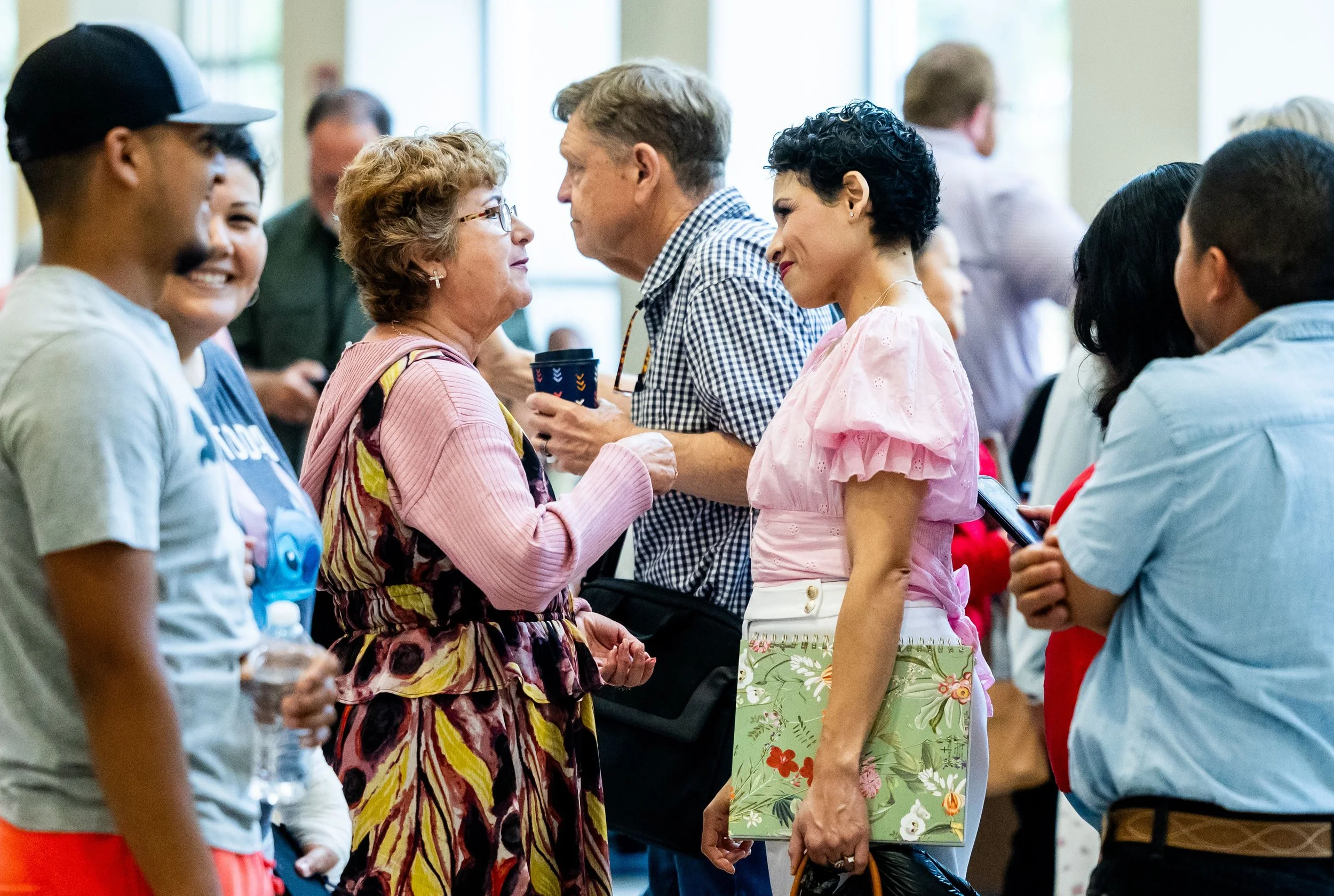
Folks at the memory cafe
Using SSP to find connection
Breaking through that external layer to enable a child to attune to their caregiver is a groundbreaking therapy solution. Their response to the end of their isolation would be no different to the seniors in our little village when the lockdowns come to an end. This experience is met, with relief and happiness to connect with others and feel the joy of that new connection.
Dyslexia? Dyspraxia? ADHD? ASD? Speech & Language? Developmental Delay? Anxiety?
Is every school day a struggle? As a parent, you may feel exhausted and on this journey alone. Each year you see the gap getting wider. You need to do something - change the approach, help your child learn for themselves, find a way to turn this around - to help while you can - do this NOW. the first step is free.
