
The hidden reflex that may be making dyslexia worse.
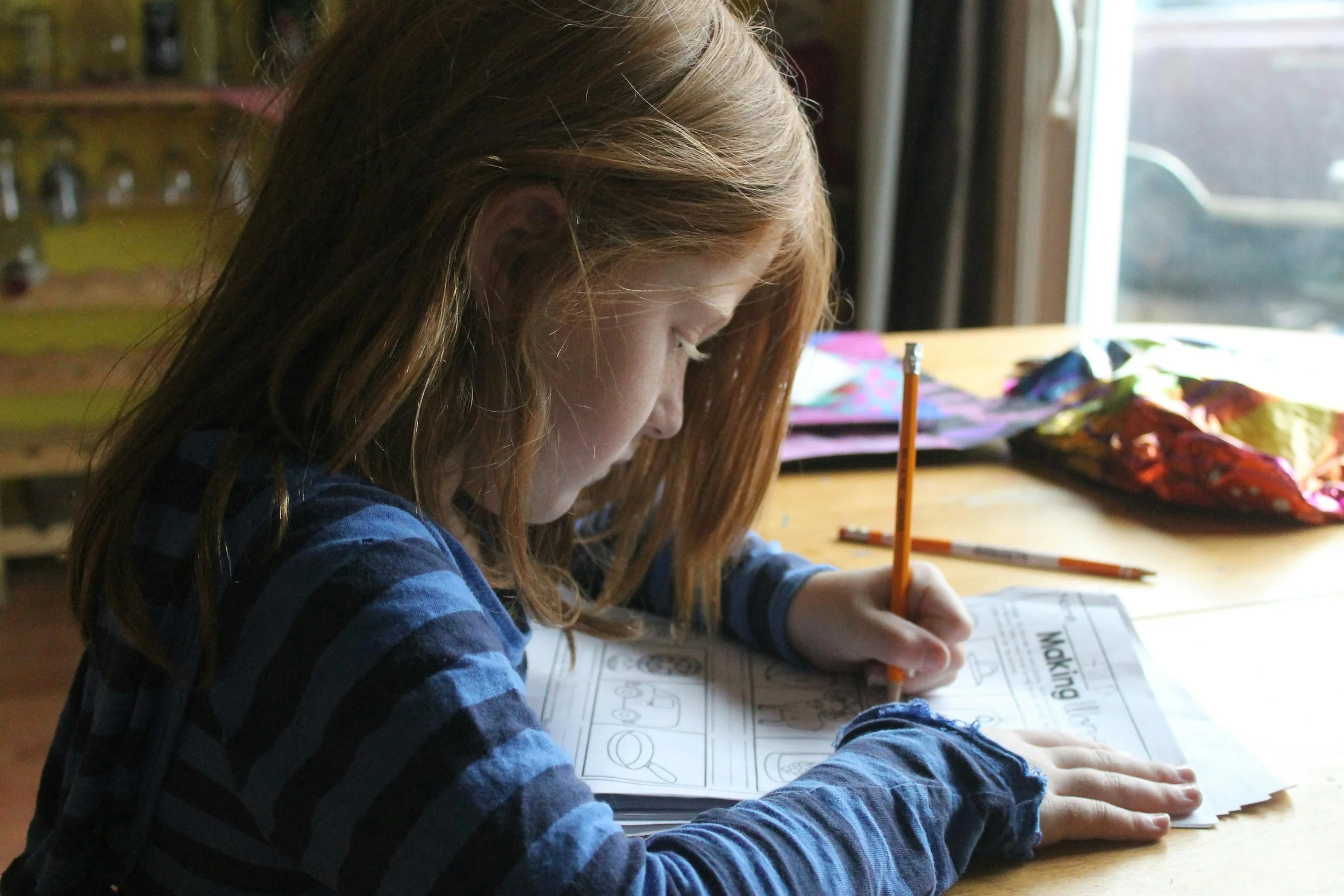
While dyslexia is often thought of as a language-based problem in which speed, auditory processing, and working memory affect academic performance, there are other factors to consider that many parents don't think about.
I work with many dyslexic children who have poor control of their head and neck whilst using their hands when seated at a desk. These problems are caused by retained primitive reflexes. This physical component makes reading and writing significantly harder than they need to be. Understanding retained primitive reflexes, particularly the Symmetrical Tonic Neck Reflex (STNR), is fundamental for parents.
“There is no control over these automatic movements.”
Symmetrical tonic neck reflex STNR is an automatic response.
The STNR emerges between six and nine months of age and should naturally integrate by around eleven months. Reflexes are not considered cortical responses; there is no conscious control over these automatic movements. In the case of the Symmetrical Tonic Neck Reflex (STNR), these movements refer to how the head and neck move in conjunction with the rest of the body during early developmental stages.
For healthy development, the baby must be able to move its head and neck independently. However, this movement is initially associated with other body movements — it is interconnected. These interconnections occur between the head and neck, the torso, and the limbs. When the head and neck move, they directly affect the movement of the torso and limbs.
The STNR is most visible when a baby learns to crawl. The baby gets onto all fours and attempts to move forward. At first, they often rock back and forth, as if they have made a discovery that these parts of their body exist. When they look down, their arms bend as their head moves toward the floor, while their legs straighten. When they look up, their arms straighten, their legs bend, and they fall back onto their bottom.
Once the baby masters stabilising themselves on all fours, they are able to move forward for the first time. It is at this stage that the interlinked connection between the head and neck and the rest of the body is broken. The head, controlled by the neck, and the limbs are now able to work independently.
At this integrated STNR stage, the baby can lift and move their head while remaining in the crawling position. As they crawl, they can observe their surroundings and begin to develop a sense of movement and visual focus at the same time. It is worth remembering that moving and focusing simultaneously is a difficult task, and crawling is the first time this skill is developed.
This is why crawling is key to the development of visual skills, particularly the ability to focus at varying distances, a skill that later becomes essential for reading.
“The video shows how this baby is rocking and trying to understand how to use its limbs. ”
The STNR and dyslexic children.

When the STNR is retained beyond its expected timeframe, it can interfere with normal development.
For children with dyslexia, this creates an additional layer of difficulty on top of their phonological processing challenges. The neck and core are not strong and the limbs are still involuntarily connected to head/neck movement.
Often, parents say their child did limited crawling and were unsure whether their child’s nursery provided enough tummy time. With an unintegrated STNR, the child’s nervous system essentially gets stuck using an immature pattern of response when it should have progressed to more advanced functioning.
“You might notice your child slouching at their desk ”
The connection between retained STNR and reading difficulties is particularly significant because many of the skills essential for reading and writing, including visual coordination, word tracking, copying from the board, short-term memory, and focus, are underdeveloped and feel unnatural, requiring significant effort.
When testing for STNR, I often notice the child will have convergence, difficulties, and they always flop their head down as if their head is too heavy, unable to keep their head still when doing tracking exercises. Essentially, the eyes cannot always move independently of the head and may affect many aspects of eye control.
Why can’t may child catch a ball?
How this affects your dyslexic child
You might notice your child slouching at their desk. This isn't laziness or poor behaviour. Maintaining an upright posture while their head is flexed forward to look at their work is genuinely difficult and exhausting for them. Reading and writing at a desk triggers the STNR to straighten the legs, creating an internal struggle.
As a result of the retained STNR, children often display poor or sloppy handwriting, sometimes having difficulty controlling pencil pressure, and deteriorating handwriting quality as writing continues. Often, it has little to do with handwriting and is more about maintaining the seated position. They may become physically exhausted from the effort of writing, making it difficult to get ideas onto paper even when they can express them verbally.
For reading specifically, retained STNR can cause difficulty tracking words smoothly across a page, difficulty maintaining focus on a single line of text, and frequent loss of place. Eyes become tired during reading, and headaches are common. These aren't issues of effort or motivation; they're mechanical difficulties arising from the conflict between the retained reflex pattern and the demands of reading.
When bright children have convergence insufficiency
What you can do.
The first step is understanding that these physical challenges are real and can be addressed by integrating their reflexes; this takes about 6 to 10 months. While parents can opt for a standalone reflex integration program, which requires infrequent visits to the therapist, considering the one-to-one weekly therapy would address the specific reading and handwriting concerns too. Request information on our dyslexia program or book a free consultation.
Dyslexia? Dyspraxia? ADHD? ASD? Speech & Language? Developmental Delay? Anxiety?
Is every school day a struggle? As a parent, you may feel exhausted and on this journey alone. Each year you see the gap getting wider. You need to do something - change the approach, help your child learn for themselves, find a way to turn this around - to help while you can - do this NOW. the first step is free.
