Why some children can't sit still: a nervous system perspective
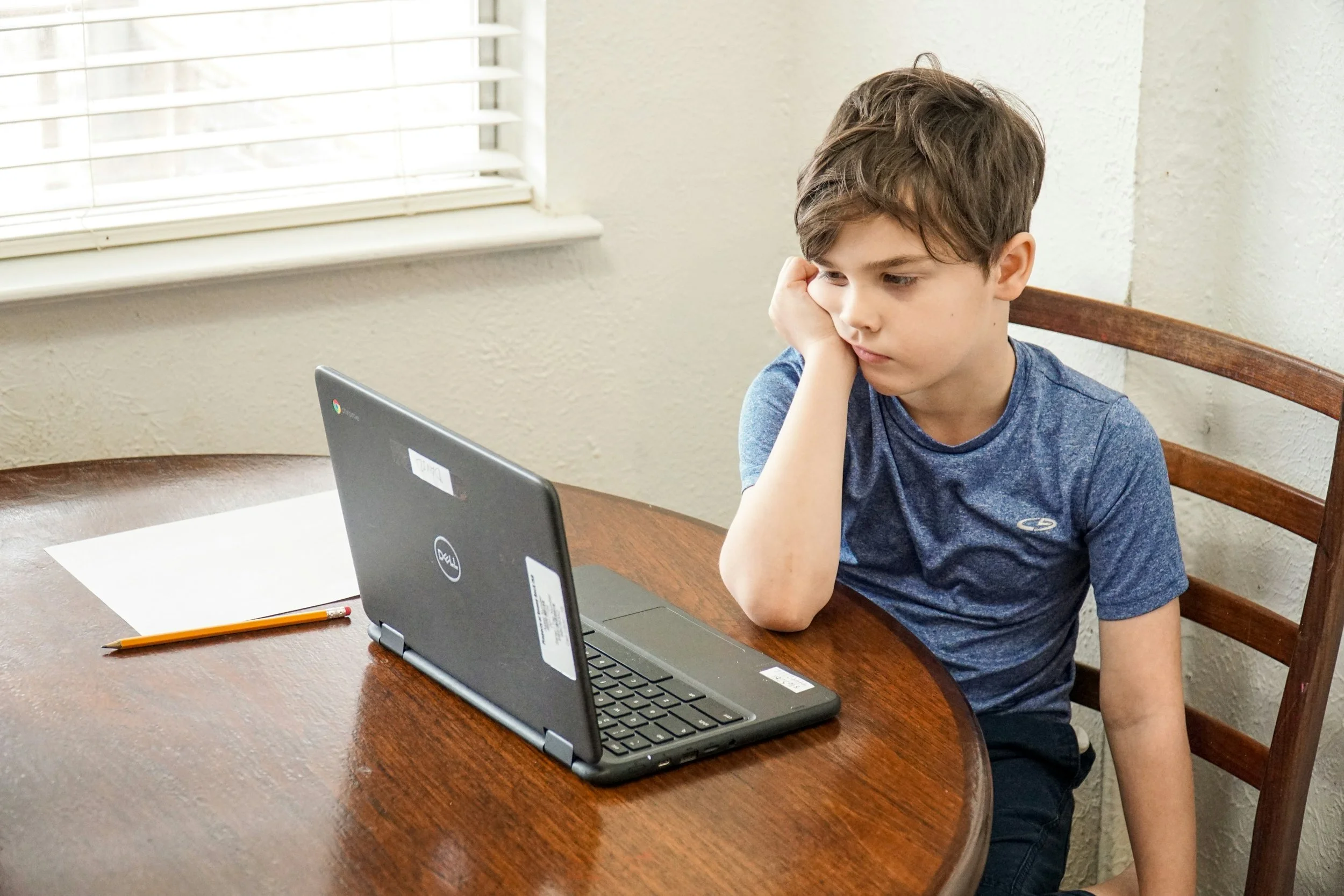
Many parents arrive at my therapy practice feeling worried, frustrated, or even defeated. They tell me their child cannot sit still. Whether it's during meals, lessons, circle time, or homework, the child is constantly moving, fidgeting, standing, or leaving their seat altogether. This behaviour is often misunderstood as inattentiveness, hyperactivity, or lack of discipline. In my therapy work, however, I frequently see something very different. For many neurodivergent children, the inability to sit still is not a behavioural choice. It's a sign that their nervous system is working hard to feel safe and organised.
“Rocking, fidgeting, shifting position, or leaving their seat provides sensory input that helps the brain stay alert and organised. ”
Why sitting still isn’t a simple skill
Sitting still requires far more than compliance. A child must have a well-organised nervous system, postural control with a strong core, body awareness, and the ability to regulate arousal. These skills develop through early movement experiences in infancy and early childhood.
When development is disrupted by stress, trauma, or neurodevelopmental differences, the foundations needed for stillness may not fully mature. Movement, in these cases, serves a purpose. It's the child's way of self-regulating. Rocking, fidgeting, shifting position, or leaving their seat provides sensory input that helps the brain stay alert and organised. Removing movement without addressing the underlying neurological needs often increases distress and leads to shut down or avoidance.
The role of the nervous system and safety
At the heart of this issue is the concept of safety. A nervous system that doesn't feel safe remains in a state of heightened alertness. When the brain perceives threat, whether real or perceived, the body prepares for action. This can manifest as restlessness, constant movement, or an inability to remain still.
Children who have experienced early stress, sensory overload, or developmental trauma may live in a near-constant state of physiological readiness for fight or flight. Their bodies are prepared to respond to a threat, even when no obvious danger is present. Asking these children to sit still is asking their nervous system to do something it's not yet capable of doing.
Until safety is established at a neurological level, regulation remains fragile.
“Movement becomes a protective response. Children with retained reflexes often appear restless, anxious, or easily overwhelmed. ”
Retained primitive reflexes and constant movement
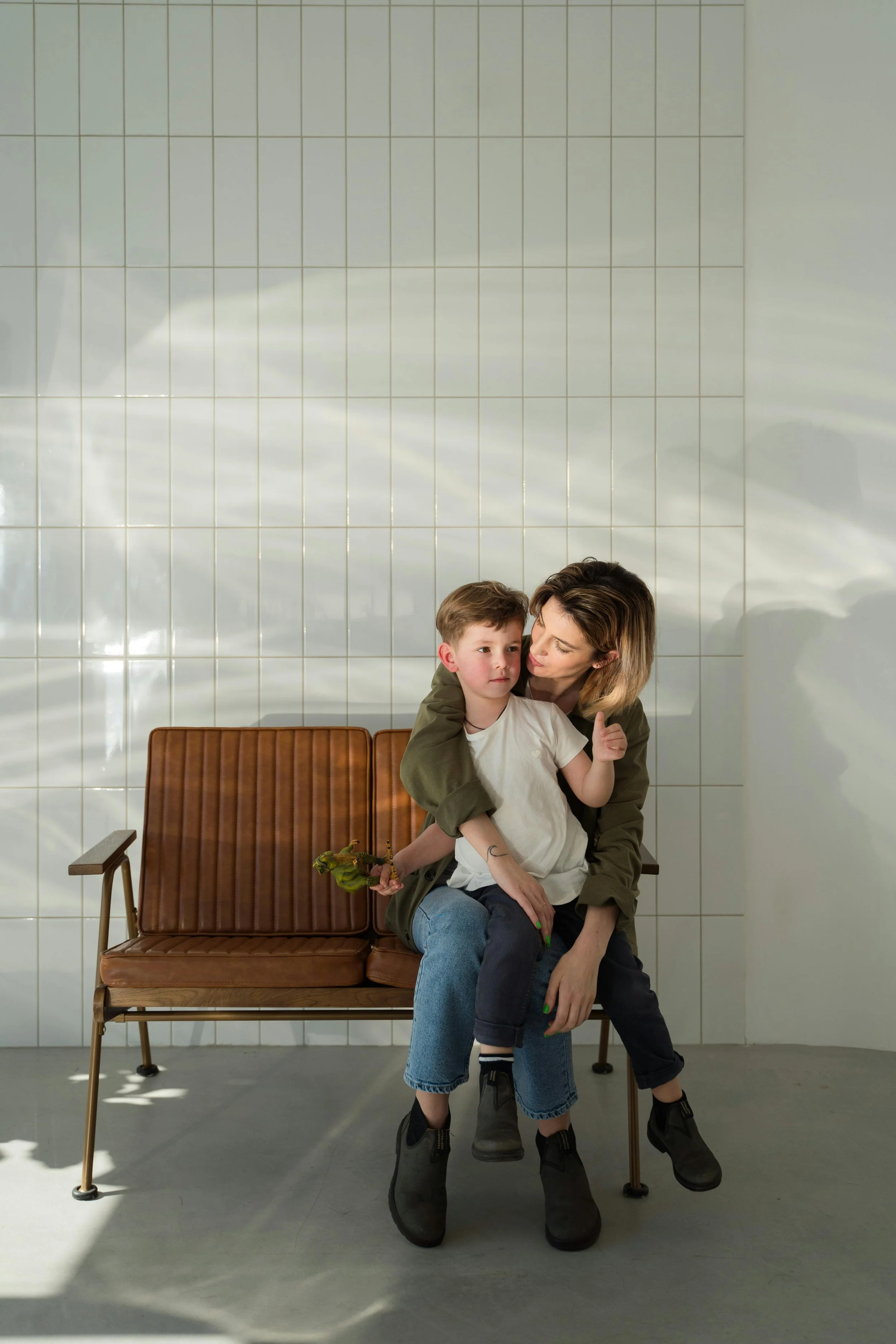
Retained primitive reflexes are a common underlying factor. Reflexes such as the Moro reflex, Fear Paralysis Reflex, and Tonic Labyrinthine Reflex play a significant role in posture, balance, and regulation. When these reflexes haven't integrated, the body remains inadequate to cope. The Moro reflex, for example, keeps the nervous system sensitive to change and unexpected stimuli. The child is easily startled and struggles to maintain a calm, settled state. Movement becomes a protective response. Children with retained reflexes often appear restless, anxious, or easily overwhelmed. They may give up quickly when tasks require sustained attention, not because they lack ability, but because their autonomic nervous system is not supported by integrated reflexes.
How not being able to sit still affects daily life
Difficulty sitting still impacts many areas of a child's life. School becomes challenging as expectations increase for sustained attention and seated learning. Children may be labelled as disruptive or inattentive, leading to frustration and reduced self-esteem. At home, simple activities such as meals or reading together can become a struggle. Living in a constant state of neurological alertness is exhausting. These children expend enormous energy just trying to stay regulated, leaving less capacity for learning, emotional control, and social engagement.
“Asking a child to override their nervous system rarely leads to lasting change. ”
Supporting regulation through therapy
Traditional approaches often focus on behaviour management: rewards, consequences, or repeated reminders to "sit properly". While well-intentioned, these strategies overlook the neurological drivers of movement. Asking a child to override their nervous system rarely leads to lasting change. True progress occurs when we address the foundations rather than the surface behaviour.
At Raviv Practice London, my work begins by assessing the child's nervous system, and retained reflexes. Where fear-based reactivity or trauma is present, establishing safety is essential. In some cases, I begin with the Safe and Sound Protocol (SSP) to calm the autonomic nervous system and reduce physiological stress.
Once safety improves, Primitive Reflex Integration Therapy can gently support the maturation of reflexes through structured developmental movements. As the nervous system becomes more organised, many children naturally develop the ability to sit still with less effort. Parents often report improved regulation, reduced restlessness, and increased readiness to learn.
What this means for your child
If your child struggles to sit still or gives up easily, it may be time to look beneath the behaviour. Supporting the nervous system can transform not only how a child functions, but how they experience themselves.
At Raviv Practice London, I offer bespoke therapy programmes designed to help children feel safe, regulated, and ready to learn. I invite you to book an initial consultation to explore how supporting your child's nervous system can help them feel safe, calm, and confident in everyday environments.
Dyslexia? Dyspraxia? ADHD? ASD? Speech & Language? Developmental Delay? Anxiety?
Is every school day a struggle? As a parent, you may feel exhausted and on this journey alone. Each year you see the gap getting wider. You need to do something - change the approach, help your child learn for themselves, find a way to turn this around - to help while you can - do this NOW. the first step is free.
