

Understanding the aspects of long-term memory.
You can ride a bike after ten years without touching one. You never forget. But remembering someone's name five minutes after being introduced? Completely gone.
This is not a sign that you care more about riding a bicycle than being polite. It is your brain's different memory systems doing exactly what they were designed to do. Understanding how each one works and how they interact can change how you learn, build habits, and function under pressure.
“Let your attention drift, and the whiteboard wipes itself clean.”
Working memory: the whiteboard that wipes itself.
Working memory is where thinking actually happens. It's the brain's active workspace, where you hold and manipulate information simultaneously.
Calculating a tip in your head, following multi-step directions, weighing up two options in a discussion: that's all working memory. It's limited in capacity and short-lived. Let your attention drift, and the whiteboard wipes itself clean.
Your working memory can also be overwhelmed. Stress, poor sleep and distraction all eat into its capacity, which is why it's so hard to think clearly when you're anxious or under pressure.
The four systems of long-term memory.
Once information moves past working memory, through repetition, meaning or deliberate practice, it shifts into long-term memory. Each system of long-term memory fulfills a different purpose.
Episodic memory is the recall of specific events, such as what you had for breakfast, a talk from last Tuesday, or the moment you heard a piece of important news. These memories are vivid and context-rich but also surprisingly fragile and prone to distortion over time.
Autobiographical memory is built from your episodic memories and strings them into the story of your own life, including special occasions and important events. Where episodic memory is each individual scene, autobiographical memory is the whole film, deeply tied to your feeling of identity and self.
Semantic memory is facts and knowledge stripped of personal context. You know that Paris is the capital of France, but you may not remember learning that. It's your internal encyclopaedia, built gradually and largely unconscious in its formation.
Procedural memory is the memory of how to ride a bike, type without looking, and drive a familiar route while your mind is elsewhere. Once formed, it operates almost entirely below conscious awareness and almost never fades. This is the one most people underestimate.
“Every routine that becomes procedure frees up working memory for something else.”
From working memory to procedural memory.
Skills and routines begin with working memory and end in procedural memory, and this transfer is the whole point of practice.
When you first learn to drive, every element demands conscious attention. Clutch, mirror, gear, road: your working memory is at full capacity. Exhausting. But after months of practice, the sequence becomes automatic. It moves into deep procedural storage, and suddenly you can hold a conversation, plan your evening and drive, simultaneously, without any of it suffering.
The crucial takeaway is that every routine that becomes procedure frees up working memory for something else. Every habit you make second nature returns cognitive bandwidth available for creative thinking and handling the unexpected.
This is why highly effective people are often intensely habitual about the ordinary parts of life. These habits create efficiency. They're not spending working memory deciding what to have for breakfast. That space is reserved for things that actually require it.
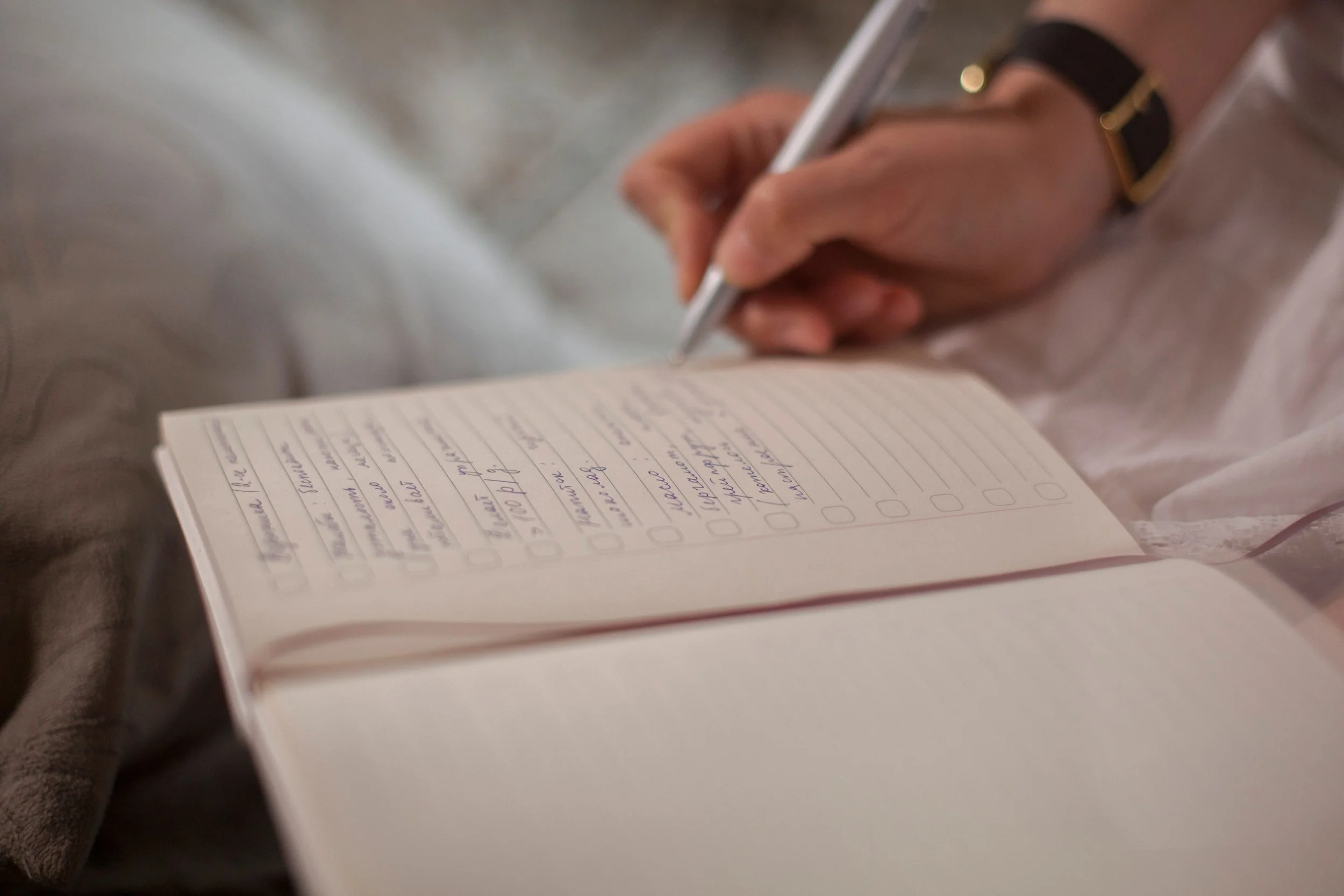
Ways to use your memory to your advantage.
Build routines deliberately. Every regular routine is eventually offloaded from working memory to procedural memory. By reducing unnecessary decisions, you can move through the day smoothly. Trust the process even when it feels effortful; that working memory phase does not last. Your time is a finite resource; treat it like one.
Sleep cannot be compromised. Memory consolidation, the process by which learning is transferred to long-term storage, occurs almost entirely during sleep. Cutting it short doesn't just make you tired; it interrupts the whole filing process.
Feed your brain. Your memory works better when you are receiving the right nutrition. Improving your brain health through the inclusion of omega-3 fats in your diet will increase your capacity to remember.
The bigger picture: the importance of procedural memory.
The people who seem effortlessly capable are often the ones who know how to use procedural memory to their advantage. They've often just had more practice converting deliberate effort into automatic competence, freeing up space to think about the things that matter the most. The goal isn't a bigger whiteboard; it's a cleaner one.
Dyslexia? Dyspraxia? ADHD? ASD? Speech & Language? Developmental Delay? Anxiety?
Is every school day a struggle? As a parent, you may feel exhausted and on this journey alone. Each year you see the gap getting wider. You need to do something - change the approach, help your child learn for themselves, find a way to turn this around - to help while you can - do this NOW. the first step is free.
