


Blog
Usha Patel, Neurocognitive Therapist and Director of Raviv Practice London shares her first-hand experience of working with children /adults and the latest research and upcoming events in her series of blog posts.

The part of lockdown they never mention
Lockdown wasn’t just missed school or screen time, it rewired children’s developing brains, making ‘home the only safe place.’ This led to anxiety, social struggles, and school refusal. But the brain’s plasticity means recovery is possible with the right support.

Can you tell if your child has dyslexia just by looking at their handwriting?
While issues with handwriting are certainly considered when it comes to diagnosing dyslexia, they are not actually key indicators themselves. Letter or number reversals can occur for a number of different reasons, and concerned parents should look elsewhere for signs of dyslexia in their children.

Theory of mind: what is it and how can you help your child?
Theory of mind helps children understand that others have different beliefs and feelings. Discover the classic Sally-Anne test, stages of development, and tips for supporting your child’s social skills and emotional growth.

Are you neurodivergent and struggle with time management?
Many individuals with dyslexia often continue to struggle because of a weak working memory, even long after good literacy skills have been established. So, in a busy work environment that is increasingly flooded with information, professionals need to stay on track, prioritise activities and overcome the constant distractions that slow productivity.
How movement is connected to how we learn
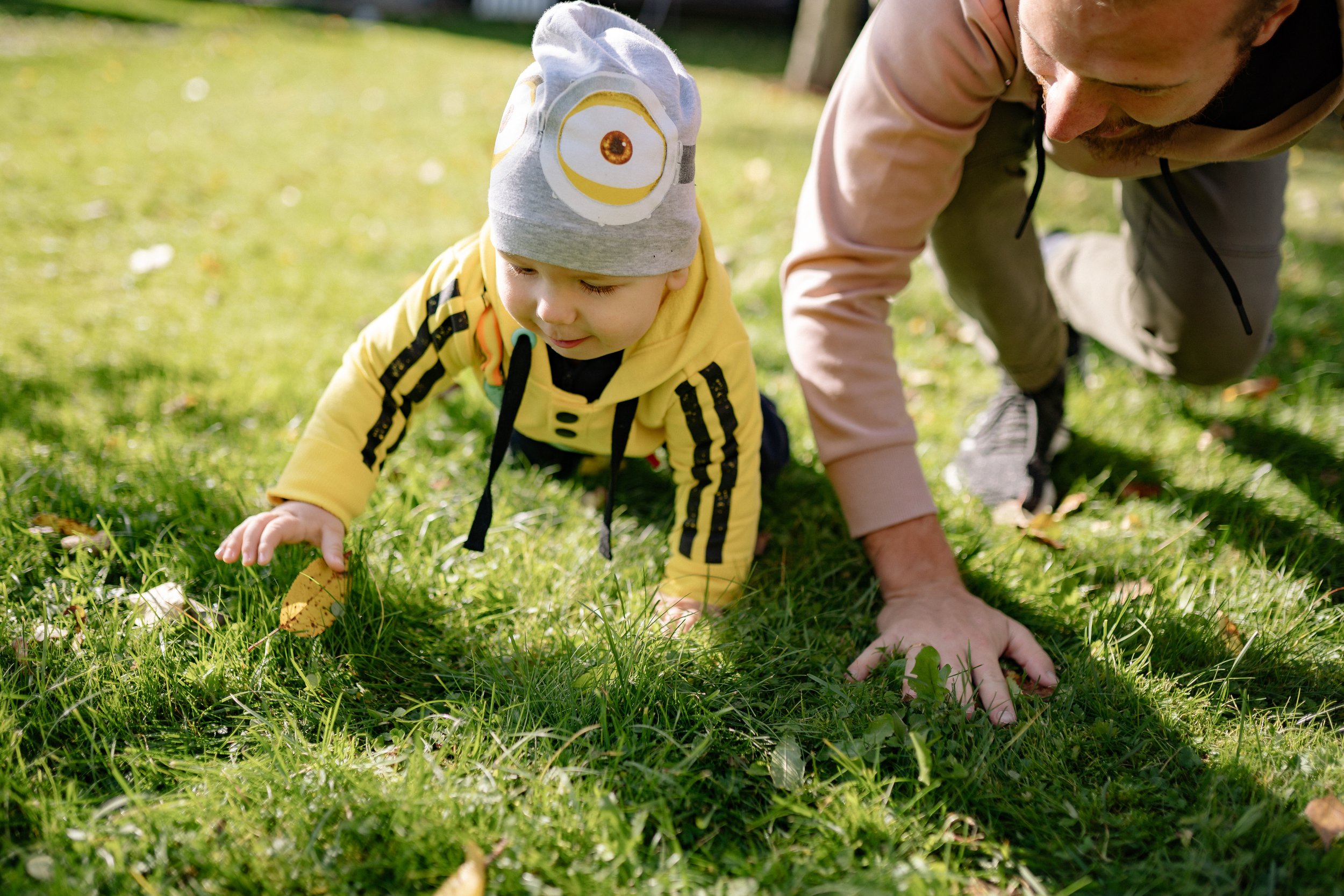
Neural pathways are routes created in the brain for information, thoughts, and responses to stimuli. However, thinking and talking are formed way later than physical movement. Babies can’t speak, but they certainly can learn to move, grasping and crawling long before they start to talk. The neural channels we create for movement activities are used later for thoughts and cognitive processes.

The Safe and Sound Protocol (SSP) - how many days does it take?
Curious about the Safe and Sound Protocol (SSP) and how long it takes to complete? This blog explains SSP’s core and optional modules, tailored durations from 5 to 25+ days, and tips for selecting the best therapist to guide you or your child through this effective vagus nerve therapy.

How Tom Daley has shown the nation a few things other than diving…. like knitting!
Tom Daley’s knitting at the Tokyo Olympics showcased more than a new hobby. It highlighted the role of working memory in complex tasks. This blog explores how knitting improves memory, hand dexterity, and skills essential for maths and handwriting development in children.

Why does my nine-year-old still wet his bed?
If your bright and active nine-year-old still wets the bed, you're not alone, and it's not their fault. This blog explores the connection between unintegrated reflexes and nighttime accidents, and how therapies like MNRI can help resolve bedwetting quickly and effectively.

How can we address post-pandemic education gaps in our children?
Many children missed key developmental milestones during the pandemic. This blog explores how working memory impacts learning and what parents can do to support children struggling to keep up, especially those affected by disrupted early education.

Working memory: your minds muscle
Working memory is like your brain’s mental sticky note, essential for focus, learning, and planning. This blog explains what working memory is, why it matters, and how science-backed tools like Cogmed can improve it.

My child is now four but still doesn’t speak
When Miriam, a mother of four, called me, she was at the end of her tether: her 4-year-old could not speak. She had already waited a year for her doctor to refer her to a speech and language therapist and, despite pinning all her hopes on this, she was deeply disappointed when no tangible progress seemed to come from it.

Training muscles ‘verses’ training the brain
Your brain may not lift weights, but it can be trained for strength. This post explores the similarities between physical and cognitive training, especially how working memory can be improved with tools like Cogmed.

Adults can change their brain – I want to lead by example
When I first started writing, I was incredibly nervous and worried. What if nobody read my posts or those that did thought they were not worthy of their time. I was full of self-doubt and fear. The fear was paralysing, and it took hours and days to write anything, the wastepaper bin was always full.

Having a flashback to a memory long forgotten…
A rainy day in London last December 2022 reminded me of the journey I took to get where I am now in a very unexpected way. My worries just kept on snowballing out of control. I was terrible at spelling. I knew it, my assistant knew it, and the whole architecture studio I worked in knew 'spelling' was not my thing. I was a designer, not a wordsmith.

Guide for Parents: Is your child entering years 1 or 2 this September?
Today more than ever, we want to nurture a love for books and stories; it is as natural as playing in the sandpit or with toy sewing machines. The dialogues children enjoy when playing with their peers; the social interaction is so critical.

Why is my child always getting so angry and frustrated by everyday tasks?
Poor emotional regulation can obstruct progress, stopping us from achieving our goals. Most adults will find a way to regulate their emotions for the majority of the time, but children need to learn how to navigate their emotional states as they grow. Most of the time, this is all perfectly normal and you will find a way to address it naturally as your child develops.

A rough guide for parents – eye tracking issues and what to look for
When someone has poor vision, an optician help corrects their focusing ability so they can compensate for this particular deficiency. When spelling, you need to pay particular attention to the letter configuration, especially when the word being spelt is not phonetically obvious and you need to memorise the order of letters. All of these skills require correct eye-tracking.

What good balance does for your body and how to get it
Whether or not we are as adept at balancing as The Cat in the Hat, we could all do with better balance. Good balance makes it easier to move and helps prevent injury. It is interesting to note that in China, the average number of falls among the elderly is significantly lower than in Western countries.

A parent's guide on how to teach your child to learn to read the time
As a Neurocognitive Therapist, I work with all sorts of curious learning glitches. One that seems to be cropping up more and more in recent years is not being able to read the time. Children, who otherwise have the reasonable ability, are stumped at telling the time from an analogue clock!

What is working memory, and why is it so important?
What is working memory, and why is it so important? If your child has difficulties following instructions, is challenged with mental maths or reading comprehension understanidng working memory is the first thing you need to learn about.