


Blog
Usha Patel, Neurocognitive Therapist and Director of Raviv Practice London shares her first-hand experience of working with children /adults and the latest research and upcoming events in her series of blog posts.

The secret to learning to write: go clockwise!
Letter and number reversals? Poor handwriting? The problem might be simpler than you think. This blog explores why clockwise movement is key to developing strong writing skills and how simple exercises can help children build the right habits from the start.

What sort of therapist can help my undiagnosed child?
What sort of therapist can help my undiagnosed child? If you are a parent looking for help for your child who dislikes the idea of studying or school work, you need to know what alternatives there are to tutoring.

“My child is in the 99th percentile for reading but he is not able to tell me when he is hungry or thirsty”
Some children excel academically but struggle to recognise basic needs like hunger or discomfort. Learn how building body awareness through simple practices and therapies like the safe and sound protocol can improve emotional wellbeing and connection.

How making you part of the Safe and Sound process can help you and your child make a positive change
You may have heard about The Safe and Sound Protocol and how much it can help children who are neurodivergent or have special needs. However, our experience shows that working with parents first make a huge difference.
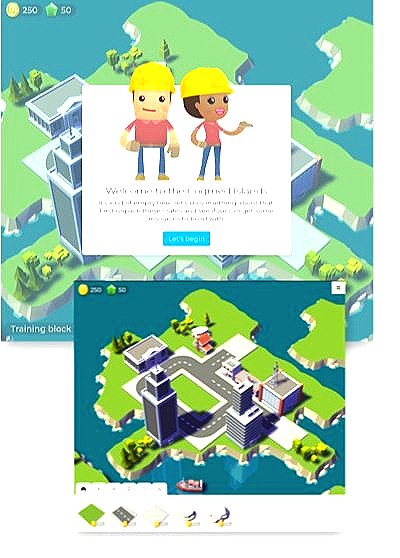
Cogmed Working Memory Training FAQs
Cogmed is the single most scientifically validated method that improves working memory and attention. Cogmed Working Memory Training is suited for individuals with diagnosed and undiagnosed problems. We offer remote training for anyone in the UK or Europe.

When do I need a tutor for my child if I suspect they have dyslexia?
There is no way to have a definitive diagnosis of dyslexia before the age of 8. There are simply too many factors in the child’s development before that age and, of course, every child develops in their own unique way.

Strengths of children with dyslexia + SEND
Children with dyslexia and SEND are more inclined to have a growth mindset and natural resilience. Emotional resilience plays a big role in success in both academics and in life in general. This blog post explores the importance of emotional resilience for all children.

How changing habits can aid concentration
Struggling with focus or distraction? Building small, positive habits could be the key to better concentration. Discover how cues, routines, rewards and identity-based changes can make lasting improvements in your child’s attention and executive functioning.

How to observe your child and understand where their concentration fails
Poor concentration in children has many causes. Some professionals may rush an ADHD diagnosis and medication. Instead, learn how to observe your child at home and work with a professional who can use therapies beyond medication to get at the root of your child’s behavioural issues.

The happiness advantage
A year ago, I started working with Charlotte. Like many adults I work with, Charlotte discovered her long-standing difficulties had been masked and only really surfaced after university life.

Menopause causing brain fog?
Menopause can bring unexpected cognitive challenges such as memory lapses, lost items, and brain fog. For many women, multitasking becomes difficult and confidence takes a hit. This blog explores how Cogmed, a five-week online working memory programme, helps women regain mental clarity, structure, and confidence using structured, supported training that delivers measurable results.

Is your child able to stay on task?
Can your child sit still and do their homework without constant reminders to stay on task? If this is a challenge, they may benefit from developing their Executive Functioning Skills (EFS).

When dyslexia is seen as a disease
This blog follows Christine's experience of being a highly educated woman with dyslexia navigating abuse and parenthood. Her journey shows how misunderstood dyslexia can lead to deep anxiety and how the right support can rebuild memory and confidence

What the UEFA final England Versus Italy taught us about emotional brains
I am the first to admit I am not the biggest football fan. After the allocated 90 minutes of play and no overall winner, I blurted out “oh! they will go into 'overtime!’” My child's eyes rolled, and my family corrected me to 'NOooo! EXTRA TIME!'

The social engagement system
Social connection helps us feel safe, but for children with autism, it doesn't always come naturally. Learn how Dr. Stephen Porges’ Safe and Sound Protocol uses the social engagement system to reduce sensory overload and support meaningful connection.

How many times does a child need to be told they are naughty?
Is your child often called “naughty” when they’re really just curious? Learn how supporting curiosity and creative play can strengthen learning, build trust, and improve behaviour, especially for kids with dyspraxia and other learning challenges.

My daughter jumps every time the vacuum cleaner goes on
My daughter jumps every time the vacuum cleaner goes on. She is scared of going to places where there is an electric hand drier, and she cries when there is an abrupt loud noise.

What is executive functioning and how to identify the weak areas?
Does your child have problems with finding homework, talking out of turn, or temper tantrums? He may have executive functioning problems. These skills help us manage daily life and deficiencies can lead to underachievement if not treated.

Polyvagal Theory: The Science of feeling safe
The Polyvagal Theory, developed by Dr Stephen Porges, explains how the nervous system shapes our sense of safety and impacts conditions like anxiety, ADHD and PTSD. This blog introduces how cues of safety help regulate behaviour and support therapeutic progress.

Does your child struggle with high-frequency spellings?
Many children with dyslexia, dyspraxia or ADHD find high-frequency spellings difficult to retain. This blog shares a proven two-step approach using Stareway to Spelling and Cogmed Working Memory Training to strengthen visual recall and finally make spelling stick.