


Blog
Usha Patel, Neurocognitive Therapist and Director of Raviv Practice London shares her first-hand experience of working with children /adults and the latest research and upcoming events in her series of blog posts.

Does my child have attachment disorder?
Jake wouldn’t speak at nursery, yet was loud and demanding at home. His story reveals how early experiences, even in the womb can affect bonding and emotional safety. Discover how the Safe and Sound Protocol helped him begin to heal.

How much sleep should your child get?
Putting your child to bed doesn’t mean they’ll fall asleep right away. Discover how many hours of sleep your child actually needs, why breathing patterns matter, and how a simple bedtime technique can help them relax, breathe better, and fall asleep with ease.

How to help children with Autism and AuADHD
Autistic Spectrum Disorders can vary greatly, and children will need to be diagnosed by a medical professional. More confusing is if that child has two or more co-existing conditions such as ADHD and Autism. AuADHD is the abbreviation for an individual with both of these conditions.

Helping your child through GSCEs
Supporting your teenager through GCSEs can feel overwhelming, especially if they have neurodiverse needs. Learn how neuroscience-based programs and targeted strategies can enhance memory, focus, and exam confidence to help your child succeed.
Unlocking potential: the transformative power of working memory training
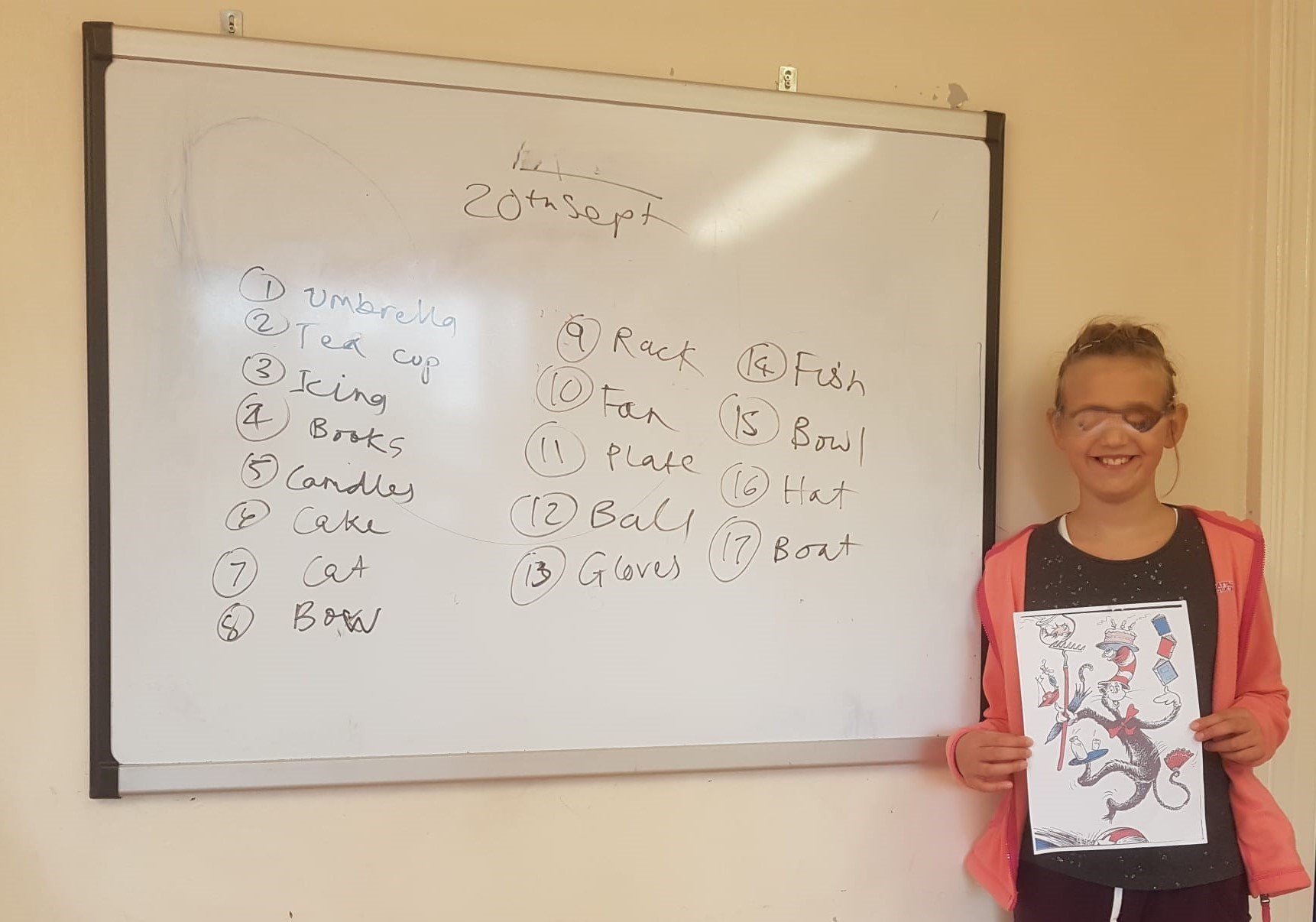
A 14-year-old student struggling academically due to working memory deficits saw remarkable improvement after COGMED training. Targeted working memory exercises help children focus, retain information, and build confidence.

What the Euros 2024 - England Vs Spain taught us about emotional brains
England’s Euros 2024 defeat highlights how strong emotions can challenge rational thinking. For children with neurodiversity, harnessing emotions positively is key to achieving their goals and building success.

How can I help my child’s handwriting improve so that it starts from the margin?
Are you looking at your child's handwriting and wondering why they cannot start each sentence from the left-hand margin when writing a line of text? Does your child's writing move further away from the margin with every sentence so the page looks like a triangle of text?

Help! My child is writing with both hands
If your child switches hands while writing or using scissors, it may signal confusion in hand dominance. Discover why mastering one hand is crucial for fine motor skills and practical ways to support your child’s development.

How to teach a child to do their own shoelaces.
Tying shoelaces can be a major milestone for children, especially those with neurodiverse challenges. Learn a simple, effective approach to help your child master this life skill and build confidence along the way.

Can dyslexia be ‘cured’ by AI?
AI tools are reshaping how we support students with dyslexia. From thought organisation to spelling correction, technologies like ChatGPT offer new ways to assist neurodivergent learners when used thoughtfully. But is it a solution or a support?

The part of lockdown they never mention
Lockdown wasn’t just missed school or screen time, it rewired children’s developing brains, making ‘home the only safe place.’ This led to anxiety, social struggles, and school refusal. But the brain’s plasticity means recovery is possible with the right support.

Can you tell if your child has dyslexia just by looking at their handwriting?
While issues with handwriting are certainly considered when it comes to diagnosing dyslexia, they are not actually key indicators themselves. Letter or number reversals can occur for a number of different reasons, and concerned parents should look elsewhere for signs of dyslexia in their children.

Theory of mind: what is it and how can you help your child?
Theory of mind helps children understand that others have different beliefs and feelings. Discover the classic Sally-Anne test, stages of development, and tips for supporting your child’s social skills and emotional growth.

Are you neurodivergent and struggle with time management?
Many individuals with dyslexia often continue to struggle because of a weak working memory, even long after good literacy skills have been established. So, in a busy work environment that is increasingly flooded with information, professionals need to stay on track, prioritise activities and overcome the constant distractions that slow productivity.

How movement is connected to how we learn
Neural pathways are routes created in the brain for information, thoughts, and responses to stimuli. However, thinking and talking are formed way later than physical movement. Babies can’t speak, but they certainly can learn to move, grasping and crawling long before they start to talk. The neural channels we create for movement activities are used later for thoughts and cognitive processes.

The Safe and Sound Protocol (SSP) - how many days does it take?
Curious about the Safe and Sound Protocol (SSP) and how long it takes to complete? This blog explains SSP’s core and optional modules, tailored durations from 5 to 25+ days, and tips for selecting the best therapist to guide you or your child through this effective vagus nerve therapy.

How Tom Daley has shown the nation a few things other than diving…. like knitting!
Tom Daley’s knitting at the Tokyo Olympics showcased more than a new hobby. It highlighted the role of working memory in complex tasks. This blog explores how knitting improves memory, hand dexterity, and skills essential for maths and handwriting development in children.

Why does my nine-year-old still wet his bed?
If your bright and active nine-year-old still wets the bed, you're not alone, and it's not their fault. This blog explores the connection between unintegrated reflexes and nighttime accidents, and how therapies like MNRI can help resolve bedwetting quickly and effectively.

How can we address post-pandemic education gaps in our children?
Many children missed key developmental milestones during the pandemic. This blog explores how working memory impacts learning and what parents can do to support children struggling to keep up, especially those affected by disrupted early education.

Working memory: your minds muscle
Working memory is like your brain’s mental sticky note, essential for focus, learning, and planning. This blog explains what working memory is, why it matters, and how science-backed tools like Cogmed can improve it.